
Beginner Guide to Journaling Every Day: Simple Steps to Get Started
gekekaa.pro >> Daily Habits>>Journaling>> Beginner Guide to Journaling Every Day: Simple Steps to Get Started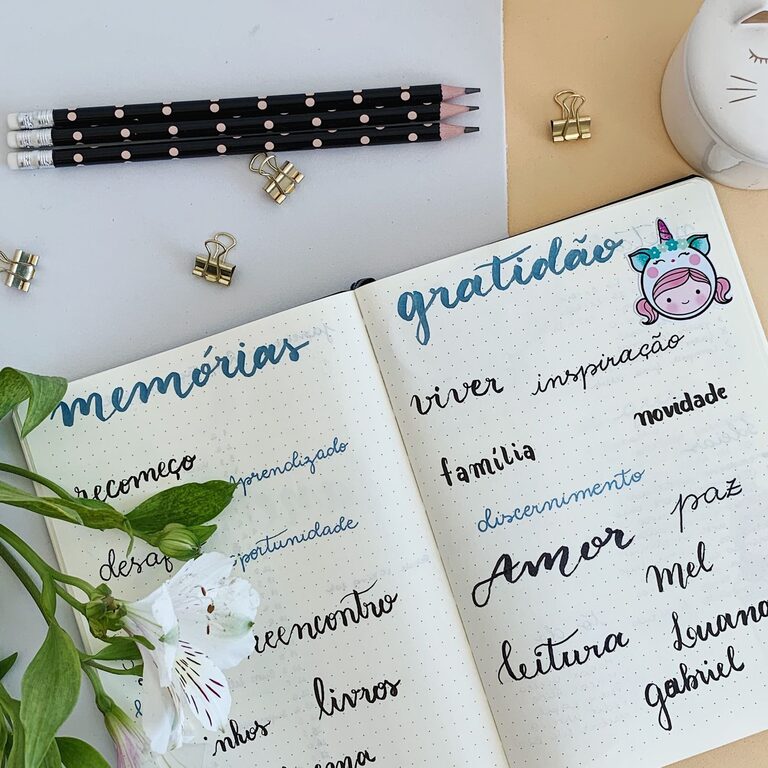
Beginner Guide to Journaling Every Day: Simple Steps to Get Started
Journaling is a powerful and accessible way to reflect on your thoughts, track your progress, and improve your mental well-being. If you’ve been curious about starting a journaling habit but aren’t sure where to begin, this guide will walk you through simple steps to help you journal every day with ease and consistency.
Why Journal Every Day?
Journaling daily offers many benefits, such as:
– Improved clarity: Putting your thoughts on paper helps you understand your feelings and priorities better.
– Stress relief: Writing about your day or challenges can reduce anxiety and promote relaxation.
– Increased creativity: Daily writing sparks new ideas and perspectives.
– Personal growth: Tracking your habits, goals, and reflections supports self-improvement.
– Better memory and focus: Recording daily events can sharpen your mind and help you stay present.
Knowing these benefits can motivate you to commit to your journaling practice.
Choosing Your Journaling Method
Before you start, decide how you want to journal. Here are some common methods:
Traditional Paper Journal
A classic notebook or journal can be very satisfying to write in. Choose one that feels inviting and comfortable for you.
Digital Journaling
Many people prefer typing on apps or word processors. Options like Evernote, Day One, or even a simple notes app work well if you want quick access and easy editing.
Voice or Video Journaling
If writing isn’t your preference, consider recording voice memos or videos as a form of journaling.
Choose the method that fits your lifestyle and makes you feel motivated to write regularly.
Setting Up Your Daily Journaling Routine
Creating a routine helps turn journaling into a lasting habit. Here are some tips to get started:
Pick a Consistent Time
Decide on a time you can dedicate each day to journaling—whether it’s morning, lunch break, or before bed. Consistency helps build momentum.
Start Small and Be Realistic
You don’t need to write pages every day. Even a few sentences or bullet points count. Starting with 5 minutes or 100 words can be enough.
Create a Comfortable Space
Find a quiet, comfortable spot where you can focus without distractions. This makes journaling more enjoyable.
Use Prompts to Help You Begin
If you’re not sure what to write, prompts can guide you. Examples include:
– What are three things I’m grateful for today?
– How did I feel throughout the day?
– What did I learn or accomplish?
– What challenges did I face and how did I handle them?
– What goals do I want to focus on tomorrow?
Tips for Maintaining Your Journaling Habit
Be Kind to Yourself
Some days, journaling might feel difficult or skipped. Don’t stress — simply pick up again the next day.
Experiment with Different Styles
Try lists, doodles, letters to yourself, or even poetry. Variety keeps journaling interesting.
Reflect on Your Entries Periodically
Revisit old entries to see patterns, progress, or insights. This reflection can be motivating and enlightening.
Keep Your Journal Private and Safe
Knowing your journal is for your eyes only helps you write honestly and openly.
Sample Daily Journaling Routine
Here’s an example to inspire you:
- **Find your journal and pen or open your journaling app.**
- **Write the date at the top of the page.**
- **Start with a gratitude list (3 things).**
- **Write about your day in a few sentences.**
- **Set a goal or intention for tomorrow.**
- **Close with a positive affirmation or note to yourself.**
This structure takes about 5–10 minutes but can be adapted to your preferences.
Overcoming Common Challenges
– Lack of time: Keep entries short; even 2–3 sentences matter.
– Writer’s block: Use prompts or write about how you’re feeling in the moment.
– Loss of motivation: Remind yourself why you started and celebrate small victories.
– Perfectionism: Journaling is for personal growth, not to impress anyone. Write freely without judging.
Conclusion
Starting a daily journaling habit is simple and flexible. It doesn’t require special skills or a lot of time—just a commitment to check in with yourself regularly. By choosing a method that works for you, setting a realistic routine, and using prompts when needed, you can make journaling a rewarding part of your daily life. Enjoy the journey of self-discovery, creativity, and mindfulness journaling brings!
Happy journaling!