
A Beginner’s Guide to Stretching at Home for Better Flexibility
gekekaa.pro >> Flexibility>>Stretching>> A Beginner’s Guide to Stretching at Home for Better Flexibility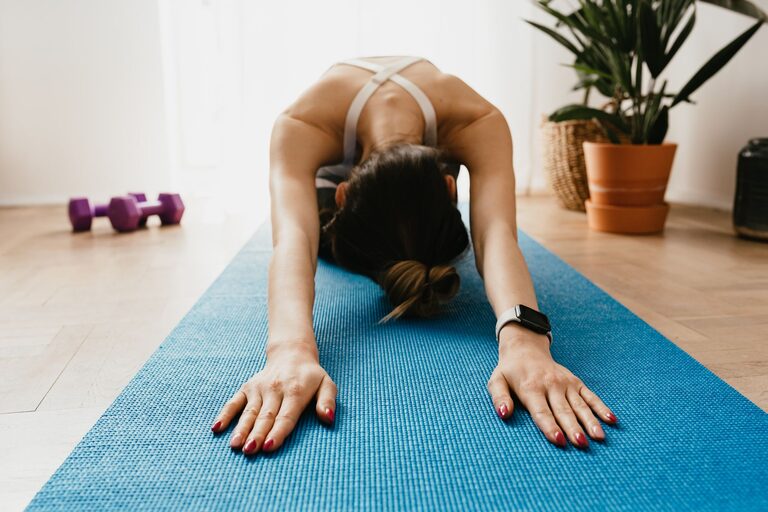
A Beginner’s Guide to Stretching at Home for Better Flexibility
Stretching is a simple yet powerful way to improve your physical health and feel more comfortable in your body. Whether you spend long hours sitting at a desk or just want to stay active, incorporating stretching into your daily routine can help increase flexibility, reduce muscle tension, and enhance circulation. The best part? You don’t need any special equipment or a gym membership—stretching at home is easy, convenient, and effective.
In this beginner’s guide, we’ll walk you through the basics of stretching at home, including why it matters, how to get started, and some beginner-friendly stretches to try today.
Why Stretching Matters
Stretching offers many benefits that go beyond just feeling good. Some key advantages include:
– Improved flexibility: Regular stretching helps lengthen muscles and tendons, which can enhance your range of motion.
– Reduced muscle tension: Stretching can relieve tightness, soreness, and stiffness, especially after sitting or exercising.
– Better posture: Stretching chest and back muscles supports better alignment and reduces slouching.
– Injury prevention: Flexible muscles are less prone to strains and injuries during physical activities.
– Increased blood flow: Stretching encourages circulation, which helps muscles recover and stay healthy.
– Stress relief: The slow, mindful movements of stretching can calm your mind and reduce stress levels.
How to Start Stretching at Home
Starting a stretching routine is straightforward. Follow these simple tips to set yourself up for success:
1. Choose a Comfortable Space
Find a quiet, open area in your home where you have enough room to move freely. A soft surface like a yoga mat or carpeted floor can make stretching more comfortable.
2. Wear Comfortable Clothing
Loose, breathable clothing allows you to move without restriction. Avoid tight or stiff fabrics that could limit your range of motion.
3. Warm Up Lightly
Although stretching is gentle, it’s better to warm up with light activity first—like walking in place or shoulder rolls for 3-5 minutes. This helps prepare your muscles and reduces the risk of injury.
4. Stretch Slowly and Gently
Ease into each stretch gradually and avoid bouncing motions, which can cause muscle strain. Hold each position for 15-30 seconds and focus on steady breathing.
5. Listen to Your Body
Stretching should never be painful. If you feel sharp pain or discomfort, ease off or try a modified version of the stretch.
6. Be Consistent
Aim to stretch at least 3-4 times per week, or even daily if possible. Consistency is key to seeing improvements in flexibility and comfort.
Beginner-Friendly Stretches to Try at Home
Here are some simple stretches that target different parts of your body. They are perfect for beginners and can be done in about 10-15 minutes.
Neck Stretch
– Sit or stand with a straight back.
– Slowly tilt your head to one side, bringing your ear toward your shoulder.
– Hold the stretch and breathe deeply for 20 seconds.
– Repeat on the other side.
Shoulder Rolls
– Sit or stand tall.
– Roll your shoulders forward in a circular motion 10 times.
– Reverse the direction and roll backward 10 times.
Chest Opener
– Stand or sit with your hands clasped behind your back.
– Gently pull your hands downward while lifting your chest and squeezing your shoulder blades together.
– Hold for 20 seconds, breathing steadily.
Seated Forward Bend
– Sit on the floor with your legs extended straight ahead.
– Inhale and lengthen your spine.
– Exhale and slowly reach forward toward your toes, keeping your back straight.
– Hold the stretch for 20-30 seconds.
Cat-Cow Stretch (for spine flexibility)
– Get on your hands and knees on the floor.
– Inhale as you arch your back, lifting your chest and tailbone (Cow Pose).
– Exhale as you round your spine, tucking your chin and pelvis (Cat Pose).
– Repeat for 8-10 rounds, moving slowly and smoothly.
Standing Quad Stretch
– Stand near a wall or chair for balance if needed.
– Bend one knee and bring your heel toward your buttocks.
– Hold your ankle with your hand and gently pull your leg closer.
– Keep your knees close together and hold for 20 seconds.
– Switch legs.
Hamstring Stretch
– Lie on your back with one leg extended toward the ceiling.
– Hold the back of your thigh or calf (avoid pulling on the knee) and gently pull the leg toward you.
– Keep the other leg bent or flat on the floor.
– Hold for 20-30 seconds and switch legs.
Tips for Making Stretching a Habit
To stay motivated and build a lasting stretching routine, consider these ideas:
– Set a regular time: Stretch in the morning to wake up your body, or in the evening to relax before bed.
– Use reminders: Set alarms or notes on your phone to prompt you to stretch.
– Combine with other habits: Stretch while watching TV, listening to music, or after your workout.
– Track progress: Keep a journal or app to record how your flexibility improves.
– Stay patient: Flexibility develops gradually—consistency is more important than intensity.
When to Avoid Stretching or Be Cautious
While stretching is generally safe, consult a healthcare professional before starting if you:
– Have recent injuries or surgeries.
– Experience severe joint pain or swelling.
– Have chronic medical conditions affecting your muscles or joints.
Always approach stretching gently and modify exercises as needed.
—
Stretching at home is a convenient way to care for your body and enhance your overall wellness. Starting with simple moves and practicing regularly can help you feel more limber, reduce discomfort, and improve your posture. Give these beginner stretches a try and enjoy the benefits of a more flexible, relaxed you!
Happy stretching!