
Simple and Effective Ways to Reduce Food Waste at Home
gekekaa.pro >> Food Waste>>Sustainability>> Simple and Effective Ways to Reduce Food Waste at Home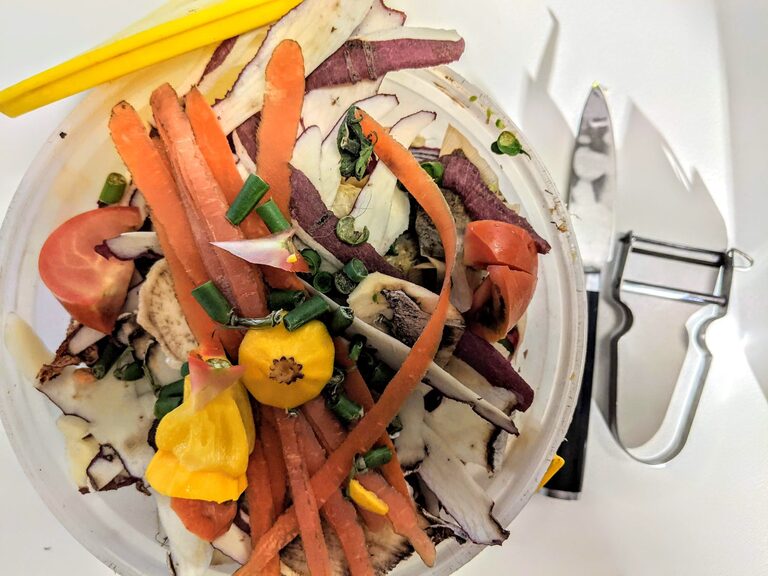
Simple and Effective Ways to Reduce Food Waste at Home
Reducing food waste at home is a simple yet powerful way to save money, conserve resources, and protect the environment. Millions of pounds of food are wasted every day, and much of this comes from households. Fortunately, by making a few mindful changes in your daily routine, you can significantly cut down on food waste. This post explores practical strategies to help you use your food more efficiently and reduce waste.
Why Reducing Food Waste Matters
Food waste contributes to environmental issues such as increased greenhouse gas emissions and excessive water use. When food is thrown away, all the energy, water, and labor used to produce it are also wasted. By reducing food waste at home, you can play a part in reducing your ecological footprint while also stretching your grocery budget further.
Plan Your Meals Ahead of Time
One of the most effective ways to avoid wasting food is to plan your meals before shopping.
Create a Weekly Meal Plan
– Take time each week to decide what meals you’ll prepare.
– Check your pantry and fridge to use ingredients you already have.
– Write a detailed shopping list based on your plan to avoid buying unnecessary items.
Shop Smartly
– Stick to your shopping list to prevent impulse purchases.
– Avoid stocking up on perishable items you won’t consume quickly.
– Consider buying loose fruits and vegetables so you can select exact quantities.
Store Food Properly
Proper storage extends the life of your food and keeps it fresh longer.
Tips for Better Food Storage
– Keep your refrigerator at the right temperature (around 37°F or 3°C).
– Store fruits and vegetables separately, as some fruits release gases that cause vegetables to spoil faster.
– Use airtight containers or resealable bags to keep leftovers and opened packages fresh.
– Label leftovers with dates to ensure you use them within a safe timeframe.
Use Leftovers Creatively
Leftovers can be a great resource to reduce food waste if you know how to repurpose them.
Ideas for Leftover Meals
– Turn roasted vegetables into soups or stir-fries.
– Use stale bread to make croutons or bread pudding.
– Combine leftover rice or pasta with fresh ingredients for a quick salad or casserole.
– Freeze portions of leftovers for busy days when cooking isn’t an option.
Practice “First In, First Out” (FIFO)
When organizing your pantry and fridge, place newly bought items behind older ones. This simple practice encourages you and others in your household to use older foods first, preventing spoilage.
Compost Food Scraps
Sometimes food scraps are unavoidable, but composting them can greatly reduce the waste sent to landfills.
Getting Started with Composting
– Collect fruit and vegetable peels, coffee grounds, eggshells, and other compostable scraps.
– Use a compost bin or pile in your backyard, or participate in a local composting program.
– Avoid composting meat, dairy, and oily foods as they can attract pests.
Understand Expiration Dates
Many people throw out food after the expiration or “best by” date, even if it is still safe to eat.
Tips to Avoid Unnecessary Waste
– Know the difference between “sell by,” “use by,” and “best before” dates.
– Use your senses—look, smell, and taste food to decide if it’s still good.
– Freeze perishable items before they spoil if you won’t use them immediately.
Portion Control and Mindful Eating
Serving appropriate portions helps reduce uneaten food left on plates.
– Serve smaller portions and allow seconds if still hungry.
– Encourage family members to take what they will eat.
– Store any uneaten food promptly for future meals.
Donate Excess Food
If you have non-perishable or unopened food items that you won’t use, consider donating them to local food banks or shelters. This helps reduce waste while supporting community members in need.
—
By incorporating these strategies into your routine, you can make a big difference in reducing food waste at home. It’s a win-win that saves you money, reduces environmental harm, and promotes a more sustainable lifestyle. Start small, and gradually build good habits so your household becomes a food-waste-fighting team!